
Our story
It started with one prescription nobody could check.
Meet the team
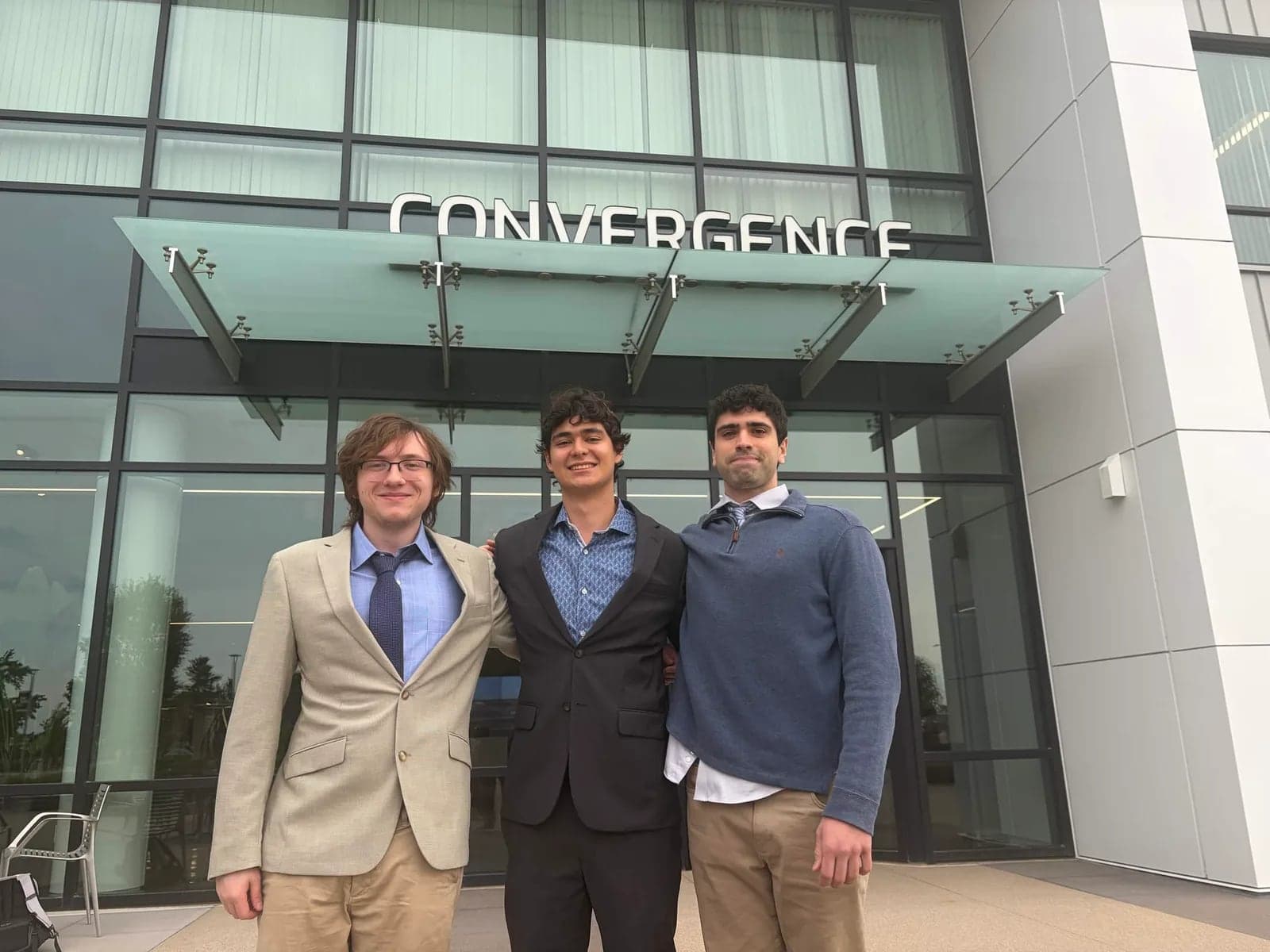

Simon
Co-founder · Pharmacy
PharmD student at Purdue University and certified immunizer, with firsthand experience in community pharmacy and a clinical focus on excipient safety.
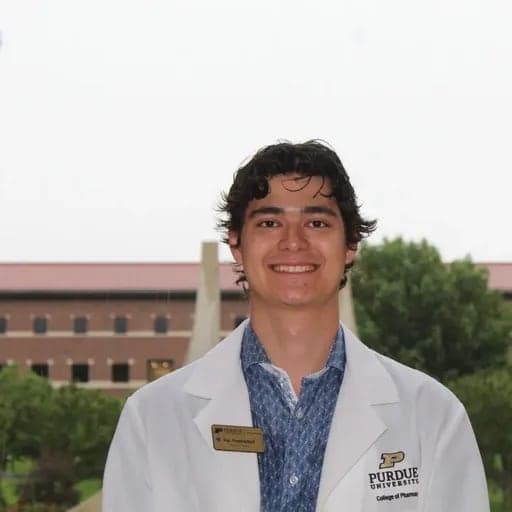
Kai
Co-founder · Pharmacy
PharmD student at Purdue University and certified immunizer. His Celiac diagnosis is the personal motivation behind AllergenMaps.

Alex
Co-founder · Lead Developer
Full-stack developer responsible for building and maintaining the AllergenMaps platform, data pipeline, and allergen mapping engine.
Who we are
We are PharmD students at Purdue University looking to make an impact on public health. We started this project in September 2025 after seeing the disconnect between excipients and the allergies they can cause, through our work in community pharmacies and through Kai’s own Celiac Disease diagnosis.
Care teams often focus on active ingredients, and patients with allergies to inactive ingredients get overlooked. Confirming whether a medication could be a trigger can mean hours on hold with manufacturers, digging through databases for information that may not exist.
AllergenMaps streamlines that process, saving time for pharmacies and giving patients confidence that their medication will not make them sick. Today it’s in testing across 30+ pharmacies.
A personal mission
“The antibiotics I had received contained a hidden source of gluten that was missed by myself and everyone on my healthcare team. No one had even mentioned that this was a common issue. That experience led me down a rabbit hole. It was then I decided I was going to work to help the millions of people affected by this problem.”
Kai
Co-founder
Why it matters
100M+
Americans live with allergies, intolerances, or dietary restrictions.
93%
of oral medications carry at least one filler that could be an allergen.
0
food-style allergen warnings required on prescription labels.